
When to Book a Wedding Videographer in the UK (2026 Timing Guide)
When Should You Book Your Wedding Videographer in the UK?
A Timing Guide That Prevents Regret
I’m Luke Batchelor, an editorially-inspired cinematic wedding videographer and photographer based in Kent, filming across the UK and Europe. This blog is where I share honest, practical guidance for couples who care about how their wedding feels, not just how it looks. If you’re in the planning phase and trying to make confident decisions without second-guessing yourself, you’re in the right place.
This post exists because the booking question sounds simple, but it quietly impacts everything. Availability, supplier fit, the style of film you end up with, how calm your planning feels, and how smoothly your wedding day runs when there are cameras involved. I’ve seen couples book early and enjoy the process, and I’ve seen couples book late and end up compromising on the very thing they cared about most.
So, rather than giving you a vague “as soon as possible” answer, this guide will break down realistic timeframes, what actually drives availability, how the luxury wedding market behaves in the UK, and what to do if you’re already closer to the date than you’d like.
If you’d like to see what I mean by “cinematic, story-led coverage” as you read, you can browse my wedding film portfolio here:
The short answer (with the context you actually need)
If you want your first-choice wedding videographer, the best time to book is typically the same time you book your photographer: once you’ve secured a venue and date, and you’ve confirmed the style you’re drawn to.
For many UK weddings, that means booking roughly a year in advance, if not a little earlier than this. For peak-season Saturdays, luxury venues, London logistics, and destination celebrations, it can be significantly earlier.
A helpful way to think about timing is not “How far in advance should we book?” but “How much competition does our date attract, and how specific is our taste?”
Below is a realistic guide that covers most UK planning scenarios. It’s not a rulebook. It’s a way to avoid the most common mistake: leaving it until the supplier you actually want is no longer available.
-
Typical safe booking window: 12-18+ months
Why it matters; These dates attract the most demand and fill first -
Typical safe booking window: 12-18+ months
Why it matters; Preferred suppliers book up quickly around those venues -
Typical safe booking window: 12-18+ months
Why it matters; Logistics reduce how many weddings a videographer can take -
Typical safe booking window: 12-24 months
Why it matters; Travel days, multi-day events, planning complexity -
Typical safe booking window: 12-18+ months
Why it matters; Demand is lower, but top suppliers still book early -
Typical safe booking window: 12-18+ months
Why it matters; You may still find an excellent fit, but flexibility becomes key
If you’re reading this with a date already in mind, the simple decision is this: if videography matters to you, treat it as an early booking category, not an optional add-on later.
Why wedding videographers book up earlier than couples expect
Most people assume availability is purely about popularity. It can be, but there are more practical reasons that affect diaries, especially at the premium end of the market.
A wedding videographer can usually film only one wedding per day. That’s the obvious part. The less obvious part is that the work isn’t contained to the wedding day. A cinematic film involves pre-production planning, timeline guidance, audio preparation, travel logistics, a full-day shoot, and then a post-production process that can run for weeks across multiple deliverables.
Because of that, experienced videographers protect their calendars carefully. They leave space for quality control, for life, for the reality that weddings never run perfectly to plan, and for the fact that certain weddings involve heavier logistics, longer travel, or multi-day schedules. For example, running ‘back to back’ weddings (or weddings on consecutive days) most of the time isn’t practical for professional filmmakers- theres simply not enough time to turn around all the equipment.
If your day involves a church ceremony, a separate reception venue, a longer drive between locations, or a planner-led schedule with multiple set pieces, it’s normal for a videographer to be more selective about what else they can book around it. I am lucky enough to travel all over the UK to capture and tell the stories of my couples, and I know from experience that quite often those trips involve one night- more often two nights- away in hotels, meaning a one day shoot turns into a 3 day shoot.
Availability is not just “Is the date free?” It’s “Can I do this properly, at the level I want to deliver, without compromising quality for any couple?” It may also be the case that availability comes down to other factors- for example, the total number of bookings a videographer has for the year.
This is the model I use, because I know how much time, effort and love goes into creating each of my films and I need to dedicate the proper amount of time to each couple. As such, I have a limit on the number of commissions I will take on- once I’m ‘booked out’ for the year I close the books. So whilst I may technically be ‘free and available’ on your wedding date, I’ve reached my capacity for the year and therefore won’t take any new commissions on.
That’s why waiting can be expensive in the truest sense. Not necessarily because the investment changes, but because your options narrow. When your options narrow, you tend to either compromise on style or settle for someone who doesn’t genuinely excite you.
Your wedding date is not “just a Saturday” – how demand really works in the UK
Couples often underestimate how predictable the wedding market is. Demand follows patterns, and those patterns influence who is available and when.
Peak season in the UK tends to cluster around late spring through early autumn. Saturdays in those months are the most competitive dates on the calendar. Add a bank holiday weekend and you’re effectively stacking demand on demand. Those weekends are popular for obvious reasons: travel is easier for guests, couples feel they can extend celebrations, and venues are often at their most beautiful.
There are also “event” dates that behave like peak season even in winter. New Year’s Eve is an obvious one. Some December weekends book quickly too, particularly for black-tie celebrations that lean into candlelight, atmosphere, and party energy.
London behaves slightly differently. It’s not only the season; it’s the logistics. Multi-location weddings can reduce how many commissions a videographer can take in a month because each one requires additional travel and planning. A London wedding might also attract a higher concentration of style-specific couples who are researching earlier and booking earlier because they have a clear creative direction from the beginning.
Destination weddings introduce another layer. Even if the wedding itself is midweek, travel days create a “block” around the celebration. If a videographer is in Italy for your wedding, that can remove availability for the surrounding dates in the UK. This is not a negative. It is simply the reality of doing destination work properly and calmly.
All of this to say: your booking timeline should reflect the reality of your date. If your wedding is likely to be in a highly competitive bucket, you’re not being “overly organised” by booking early. You’re simply meeting the market where it is.
The booking timeline, step-by-step
Rather than a generic recommendation, it helps to map timing to where you are in planning. The questions you should ask, and the decisions you can confidently make, change as the timeline compresses.
18–24 months out: the advantage window
This is where planning feels calm. You’re in a position to choose based on taste, not availability. You can take time to watch full films, notice what resonates, and have proper conversations with your shortlist.
If you’re planning a premium venue, a high guest count, a multi-day celebration, or a destination wedding, this window gives you a genuine advantage. You’re not just securing a date. You’re securing a creative partner early enough that you can shape the coverage around how you want the day to feel.
At this stage, I always recommend couples focus on two things. First, watch full films. Short clips can be beautiful, but they don’t show pacing, how audio is handled, and whether the storytelling holds your attention for minutes, not seconds. Second, pay attention to consistency. Weddings involve harsh daylight, dim interiors, mixed lighting, rain, wind, and constant movement. The videographers who deliver consistently through all of that are the ones who are worth prioritising.
If you’re still choosing a venue, you can still begin research. But it becomes actionable once the date is fixed. Most videographers will not “hold” dates without a confirmed booking.
12–18 months out: the ideal mainstream window
For many UK couples, this is the most common “sweet spot.” You’re far enough out to have real choice, but close enough that your wedding plans have shape. Venue and date are usually confirmed, and you’re starting to book core suppliers.
If you’re planning a Saturday wedding in peak season, this is where you should assume that high-demand videographers may already be partially booked. That’s not a reason to panic; it’s a reason to take action.
The strongest approach in this window is to shortlist quickly based on fit. Watch full films, decide what you love, then enquire with enough detail that the videographer can respond meaningfully. You’ll get better replies, and you’ll move faster without it feeling rushed.
If you’re working with a wedding planner, this is also a strong time to book videography because your planner can integrate your videographer into the overall schedule early. That is where the day becomes calmer, because suppliers are aligned rather than reacting.
9–12 months out: still viable, but be decisive
This is where a lot of couples begin to feel a shift. You may find that some suppliers you love are already booked, especially for prime Saturdays. That can be frustrating, but it can also be clarifying.
When the timeline tightens, you want to move away from “research mode” and into “decision mode.” That does not mean rushing. It means being intentional about what matters most. If you care about story-led cinematic coverage, prioritise that. If you care about a particular editorial aesthetic, prioritise that. When you know what you want, your shortlist naturally narrows.
It’s also a good time to think about whether you want one videographer or a team approach. If you’re planning a ceremony and speeches where reactions matter and you want multiple angles without the day feeling like a production, you may want to discuss multi-camera coverage early. Those resources also have availability constraints, so clarity helps.
6–9 months out: good options still exist, but flexibility helps
Under nine months, you can still book an excellent videographer. The difference is that you may need to be more flexible in one of three areas: style, date, or budget.
The most common flexibility lever is not budget, it’s expectations. If your absolute first-choice supplier is booked, the goal becomes finding the best available fit who can genuinely deliver what you want, rather than defaulting to someone who is simply available.
The second lever is date flexibility. If you have any flexibility around a Friday, Sunday, or weekday, you may open up access to suppliers who are fully booked on Saturdays.
The third lever is geography. If you’re based in the South East but open to someone travelling, you may find availability where local options are tighter. The key is ensuring the supplier is experienced with travel logistics and can do it without the day feeling pressured.
Under 6 months: book immediately, and focus on fit over perfection
If you’re under six months, it is still worth enquiring. Couples sometimes assume it’s “too late,” and that’s not always true. What changes is how you approach the search.
At this stage, you want to communicate clearly, move quickly, and be prepared to make a confident decision once you find a match. You also want to be slightly more open-minded about who is available, without compromising on the things you’ll regret later.
If videography is important to you, avoid the common trap of settling for the first available option without checking full films. Even when time is tight, watching one or two full pieces will protect you from disappointment.
If you’re planning a luxury wedding, you should book earlier than you think
Luxury weddings tend to have two qualities that influence booking timelines. They are more logistically complex, and they are more style-sensitive.
Logistics means longer days, multiple locations, higher production, more transitions, and a schedule that has to be managed carefully. Style-sensitive means you are less likely to be happy with “generic coverage,” because your celebration is being designed with intention. Your venue, styling, fashion, and guest experience are curated. You naturally want a film that matches that.
When couples plan high-end weddings, they often have a clear aesthetic in mind, and that tends to make them book earlier. Not because they’re trend-following, but because they know they want a certain feeling and finish.
It is also common in the luxury space for suppliers to work as a team. Planners, photographers, florists, stylists, and videographers often have overlapping calendars and preferred working relationships. Booking earlier means your planner can build a team that aligns, rather than assembling a team based on availability.
If you’re considering a combined approach for photo and film, you can explore that experience here:
Destination weddings in Europe: timing, travel blocks, and why “midweek” doesn’t always mean easier
We mentioned weddings abroad in places like Italy, France, Portugal, Croatia, Switzerland, and Austria. In those destinations, couples often assume they can book later because the wedding might be midweek, or because they think suppliers will be “more available” overseas.
In reality, destination weddings often require earlier booking for the opposite reason. A destination booking is not only the wedding day. It involves travel days, contingency planning, and often a multi-day celebration. Many destination couples also want atmosphere coverage: arrivals, welcome dinners, the location itself, and the slower moments that make the weekend feel immersive.
That is where cinematic storytelling becomes especially powerful, because the setting becomes part of the emotional texture of the film, rather than simply a backdrop.
Destination timing is also influenced by flights and accommodation. From a planning perspective, booking earlier means the supplier can secure appropriate travel arrangements and build a calmer schedule around your wedding rather than forcing it to fit at the last minute.
If you’re planning in Europe and still choosing between destinations, it can be useful to shortlist your videographer based on their experience filming internationally and their ability to keep the process seamless. The goal is not to create more work for you. The goal is to bring someone who can quietly manage the complexity and still deliver a film that feels natural, refined, and emotionally true.
You can explore my destination wedding approach here:
The best time to enquire, and why “just checking availability” rarely gets you the best outcome
Couples often send a one-line email: “Are you available on X date?” It’s understandable. You want a quick answer.
But a date-only enquiry tends to trigger a date-only response. A short reply, a link to pricing, and you still don’t know if the person is right for you.
If you want a meaningful response, and you want to move faster without endless back-and-forth, a better enquiry includes a few key details that allow the videographer to understand your wedding and reply with clarity.
The difference between a vague enquiry and a good enquiry is simple: a good enquiry gives context. It makes it easy for the videographer to picture the day, understand the style, and advise you properly.
Here’s the kind of detail that improves replies dramatically, without you needing to write an essay.
Mention your venue and location, your date, and the type of ceremony you’re having. Mention whether your ceremony and reception are in one place or multiple. Mention whether speeches matter to you and whether you want them included in the film. If you’re working with a planner, mention that too. Then add one line about what you want the film to feel like. Not a list of shot requests. A feeling.
This does two things. It helps the videographer confirm that they can deliver what you want, and it helps them advise you on coverage and planning. That’s where the experience becomes valuable, not just the camera work. You’ll find most professionals will already have opportunities for you to give this information on their contact forms, or may even mandate answers from you before the form will send for these reasons. It’s also one of the main factors we want a Facetime or video call with you before you book- the vibe, rapport and relationship between you and your videographer is paramount, and it begins right from the start.
What order should you book suppliers in?
In my completely unbiased opinion, I would say your videographer!
That’s obviously not practical however, and most couples book the venue first. That’s normal. The date and location define everything.
After that, the most practical booking order tends to be: planner (if you’re hiring one), photographer, videographer, then the rest of the creative team.
There’s a reason for this. Photography and videography influence how the day is structured, how time is allocated, and how calm the schedule feels. They also require trust. You want to love their work, but you also want to feel comfortable around them on the day.
If you’re working with a planner, booking your videographer earlier allows your planner to integrate them into the timeline properly. That reduces rushed portraits, reduces supplier friction, and helps the coverage feel effortless.
If you’ve already booked your photographer and you’re now booking videography, the key is to choose someone whose working style complements your photographer. The most beautiful weddings are usually the ones where the photo and film teams work in harmony, not in competition.
Talking through the benefits of hiring a photo and video team together is a separate topic (and one that has it’s own blog post), however if it’s something that does interest you then you can take a look at my photo and film combination options.
What happens after you book a wedding videographer?
This is where the experience side matters. Booking is not the end. It should be the start of feeling looked after.
A strong videographer will guide you through the pre-wedding process calmly. That might include questionnaires, timeline discussions, suggestions around ceremony audio, advice on where certain moments work best for light and space, and coordination with your planner and photographer.
This isn’t about controlling your wedding. It’s about protecting it. It’s about making sure the day flows, and making sure the moments that matter most are captured beautifully without you feeling directed or managed.
If you’re investing in a cinematic film, part of what you’re paying for is this: someone thinking ahead so you don’t have to.
When couples leave videography until late, they often miss this benefit. They still get coverage, but they lose some of the calm that comes from having the right supplier involved early enough to advise.
A realistic approach if you’re booking late (without compromising the outcome)
If you’re under six months and worried you’ve missed the window, the most helpful thing you can do is decide what you’re willing to flex and what you are not.
If story and emotion are non-negotiable, protect that. Choose a videographer whose full films prove they can deliver it.
If your date is fixed, protect fit and flexibility. Be open to suppliers travelling. Be open to a Friday or Sunday if there’s any movement in your plans. Be open to a slightly different approach to deliverables if it helps you secure someone whose work you genuinely love.
If your venue and schedule are complex, be even more careful. Late bookings can work beautifully, but they work best when both sides are clear, responsive, and aligned.
The couples who have the best late-booking experiences are the ones who make a confident decision quickly once they find the right person. They don’t keep shopping after they’ve already found a fit, and they don’t treat videography as an afterthought.
The role of full films in your decision (and why this matters for booking timing)
If you take one thing from this post, let it be this: you don’t choose a videographer from Instagram.
Instagram is a highlight reel by design. It shows the best ten seconds from dozens of weddings. Full films show whether the work holds emotion, structure, and pacing across time. They show whether audio is clean. They show whether the story feels like a real couple and a real day rather than a sequence of pretty shots.
When couples leave videography late, they often end up choosing from short clips because time is short. That’s the moment where regret is born, because the film you receive will be closer to the full films than the highlights.
So, if you’re currently shortlisting, take the time to watch at least one full film from any supplier you’re considering. It doesn’t take hours. It takes one evening. And it protects your future self.
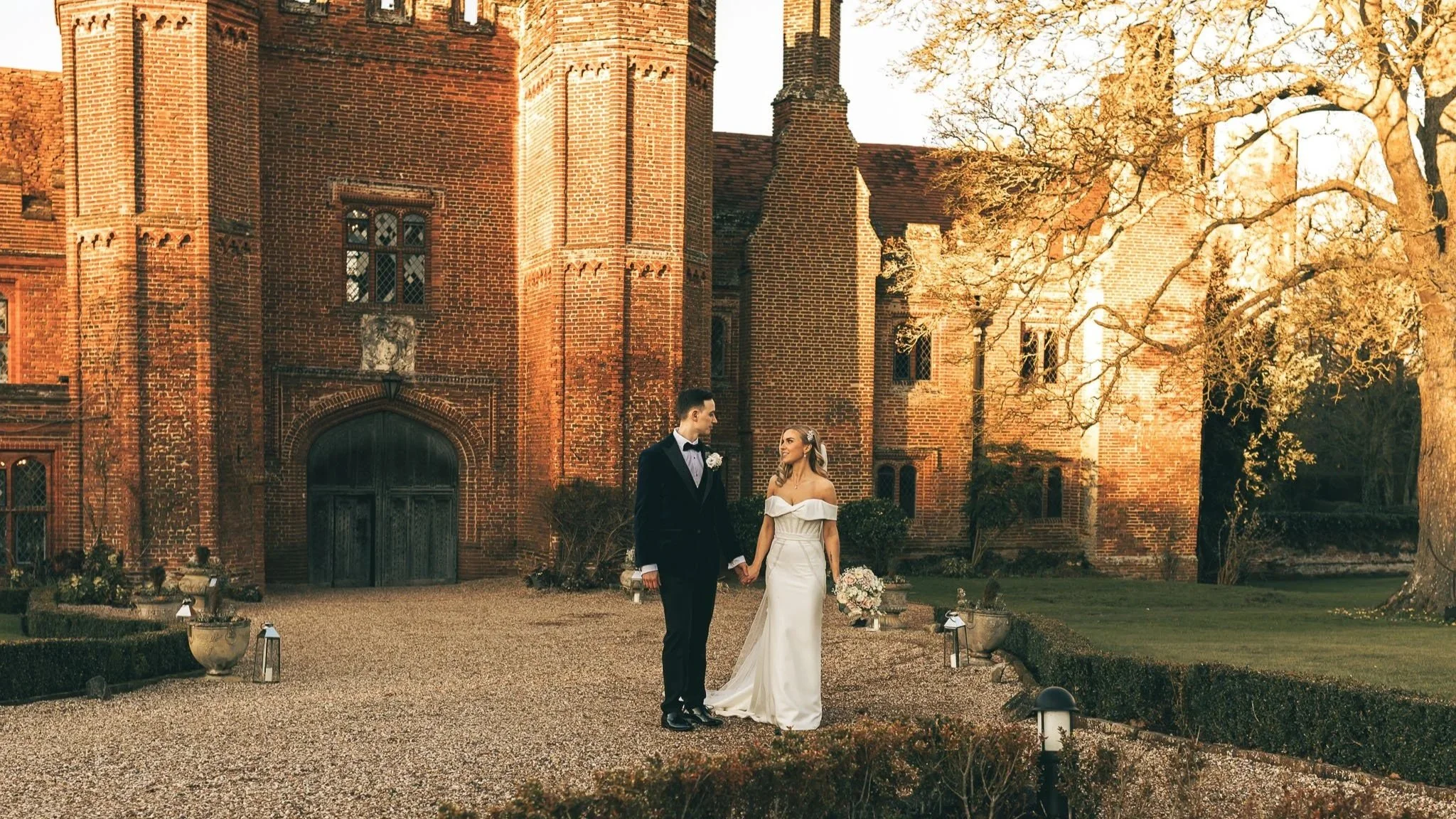
If you are ready to start that process of planning now, let me show you one of my cinematic wedding films, created in my signature editorial, fine art and timeless style:
Conclusion
The “right” time to book your wedding videographer isn’t a single number. It’s a decision that depends on how competitive your date is, how specific your taste is, and how important film is to the way you want to remember your wedding.
If you’re planning a peak-season Saturday, a planner-led celebration, a high-end venue, or a destination wedding in Europe, booking earlier protects your ability to choose based on fit rather than availability. If you’re closer to the date, booking late can still work beautifully, but it works best when you move with clarity, watch full films, and prioritise the elements you will value most after the wedding.
When couples look back, they rarely regret booking the right creative team early. They usually regret only one thing: compromising on something that mattered deeply because it was left too late.
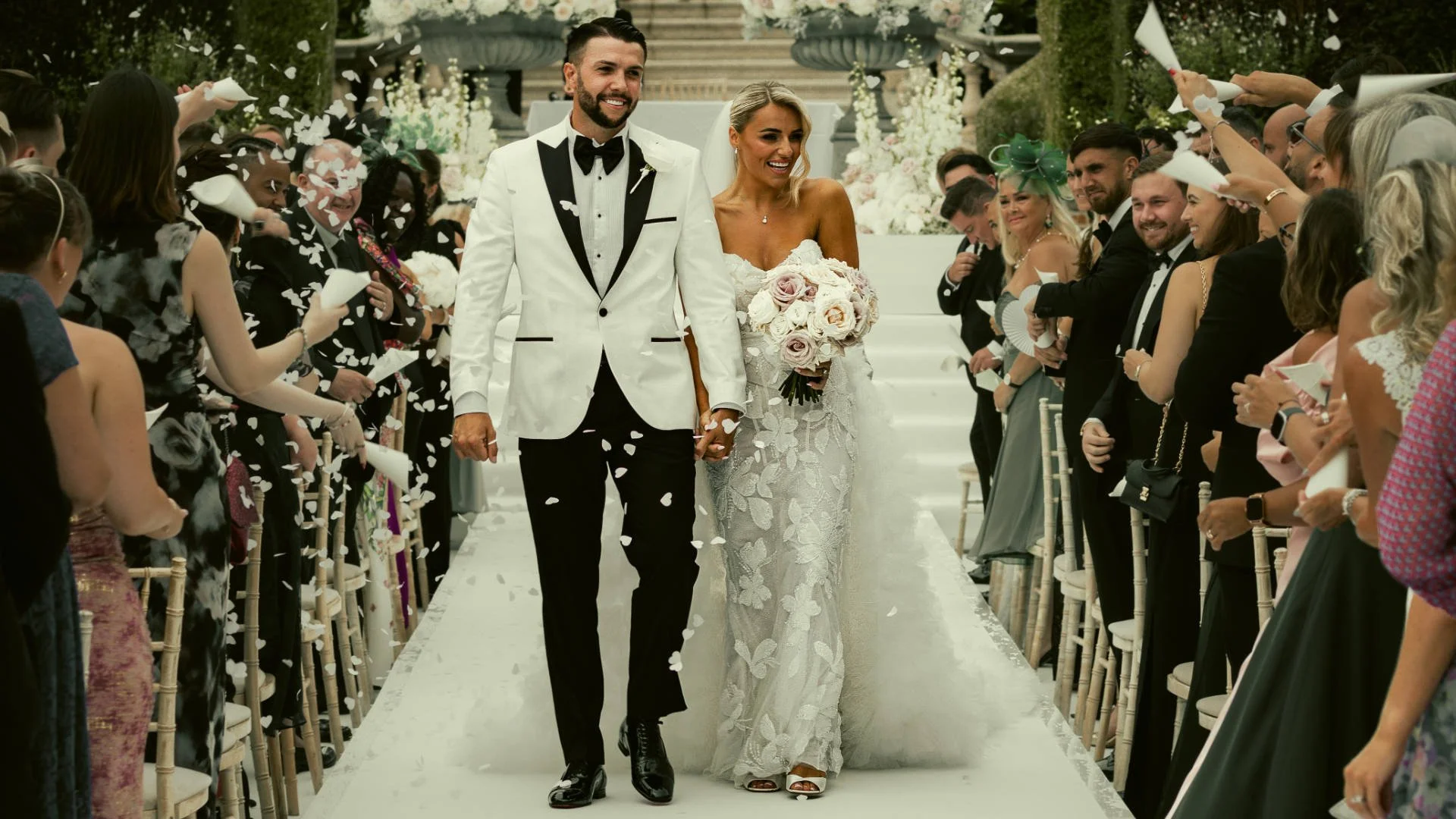
If you’ve found this article interesting and feel like I could be the cinematic and editorial wedding videographer for you, I would love to hear more about your vision for you special day. You can get in touch with me and we can start discussing how incredible your wedding film could be.
FAQ: When to Book a Wedding Videographer
-
If videography matters to you, book once you have a confirmed venue and date. For many UK weddings, that’s around 12 months in advance, and earlier for peak-season Saturdays, premium venues, and London or destination logistics.
-
Often, yes. But it depends on your date and your taste. Peak-season Saturdays and luxury venues tend to book earlier. If you’re style-specific and want a story-led cinematic film, earlier is safer.
-
Some book 12–18 months out for prime Saturdays, and destination or multi-day celebrations can be secured even earlier. The more complex the wedding and the more in-demand the date, the earlier diaries tend to fill.
-
Most couples book venue first, then photography and videography close together. If you’re choosing between the two, book whichever matters most to you creatively, but ideally secure both early so the team works seamlessly.
-
You can still book videography. In fact, booking early often helps because your videographer can advise on timeline flow and coverage priorities, then integrate smoothly once your planner is onboard.
-
Weekday and Sunday weddings can have more availability, but the strongest suppliers still book early, especially if they’re in demand. Booking 6–12 months out is still wise.
-
It’s still worth enquiring. The key is to be responsive, watch full films, and prioritise fit. You may need to be flexible on supplier travel or consider who is available within your style preferences.
-
Include your date, venue, location, whether you have one or multiple venues, whether speeches and vows matter to you, and one line describing the feeling you want the film to have. Context leads to a better reply and a smoother booking process.
-
Yes. Most professionals reserve the date once booking is confirmed and a deposit is paid. The exact structure varies, but the principle is consistent: a date is only secured when it’s booked, not when it’s discussed.
-
Watch at least one full film, not just highlights. Listen to audio quality during vows and speeches. Notice pacing, consistency in different lighting, and whether the film feels timeless rather than trend-led.
-
Booking earlier can help because your videographer can guide you on how the day will feel, how coverage works, and what creates natural moments without awkward posing. The right approach should feel calm and unobtrusive.
-
Often, yes. Travel days and multi-day coverage reduce availability around the date. Booking earlier gives you better choice and a calmer planning process.
-
It can. Multi-location days require additional logistics and coverage planning. Some videographers may be more selective with their calendar because travel time changes the shape of the day.
-
If you know you want multi-angle ceremony coverage and strong reactions during speeches, discussing this early is wise. Additional shooters also have their own availability, and premium teams plan this in advance.
-
Treating videography as a late-stage add-on. If film matters to you, booking earlier protects your ability to choose based on fit rather than settling based on availability.
What would you like to do next?
If you’d like to continue planning with clarity, here are a few places to explore across my site, depending on what you’re researching right now.
If you want to compare full films and find the style that genuinely resonates with you, start here
If you’re planning a London wedding or multi-location schedule and want local context, begin here
If you’re still exploring venues or want to see how different UK locations translate on film, browse here
If you’re planning in Europe and want a calm destination approach with cinematic storytelling, explore here
If you’d like to check availability and begin the conversation, you can enquire here